







Est. 2014, Surat
ISO 9001:2015 certification markISO 13485:2016 certification markWHO-GMP certification markCE marking certification markIEC certificate certification mark

Buying guide · 5 min · March 2026

Which GSM should you order for gowns, caps and shoe covers?

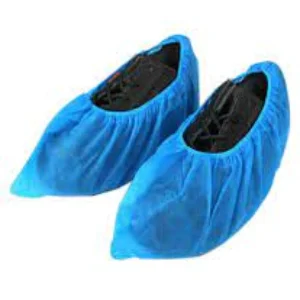
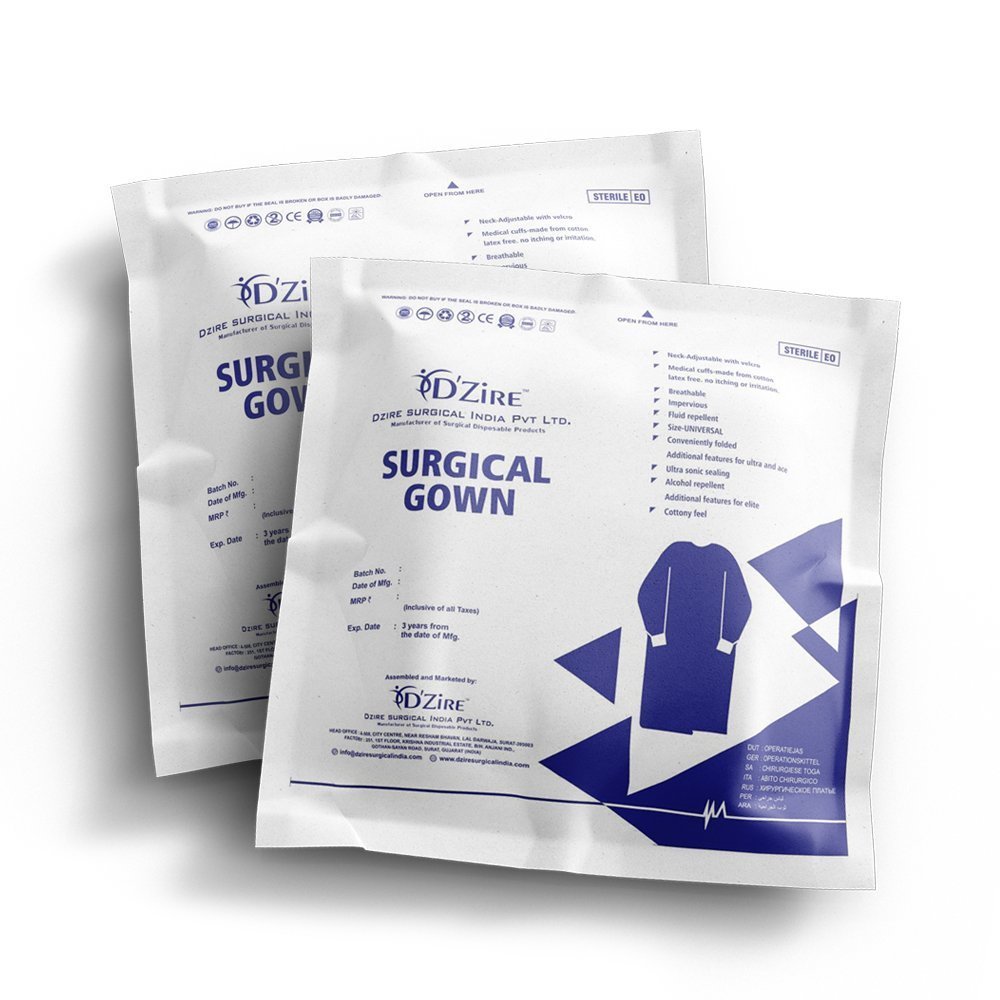
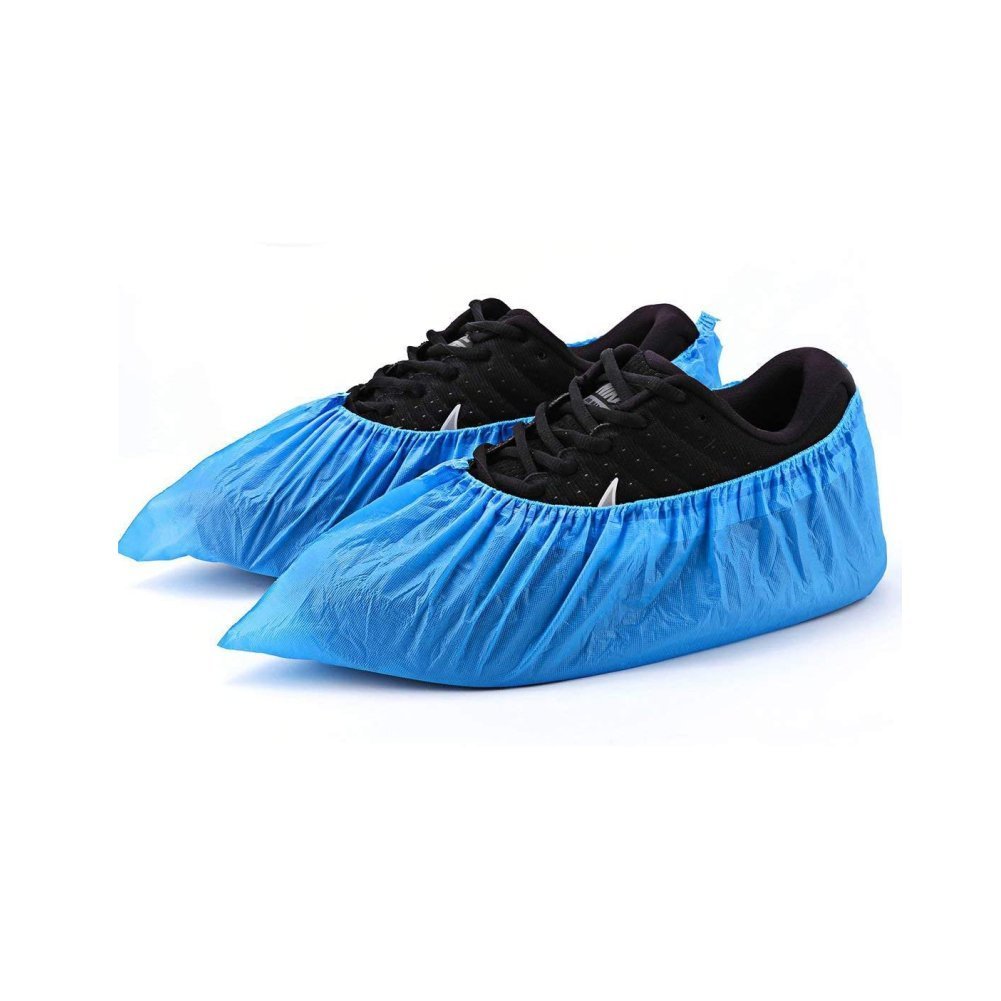
As a working rule: bouffant caps 14-20 GSM, shoe covers 14-40 GSM depending on whether they are worn over street shoes, isolation gowns 25-35 GSM SMS, and surgical gowns for longer procedures 35-45 GSM SMS or SMMS. Below 14 GSM, non-woven tears during donning; above 45 GSM, cost rises faster than the barrier benefit for most ward use.

What does GSM actually measure?

GSM is grams per square metre of the fabric, not of the finished garment. Two 30 GSM gowns can differ in total weight because of pattern size and seam allowance, but the barrier property comes from the fabric weight and the meltblown layer inside SMS construction.

SMS is spunbond-meltblown-spunbond. SMMS adds a second meltblown layer, giving better fluid resistance at the same nominal weight.

Where does each grade fit?

Visitor and general ward gowns: 25 GSM SMS is usually sufficient and keeps consumption cost low in high-volume departments.

Isolation and procedure use: 30-35 GSM SMS, tie-back with knitted cuffs.

Extended operating theatre procedures: 40-45 GSM SMMS, ETO sterile, with reinforced front and sleeves where fluid load is high.

How do you verify GSM on receipt?

Cut a 10 cm x 10 cm square from a sample, weigh it on a laboratory balance, and multiply by 100. Repeat across three cartons of the same batch. A tolerance of about 5 percent is normal in non-woven manufacturing; a 20 percent shortfall is a specification failure, not a variance.

Need pricing for the products covered here?

Send specification, quantity and destination. Quotations include unit price, MOQ, packing configuration and lead time. Export enquiries receive FOB and CIF options.